I’m already getting panicky about summer being over. I’m a love my kids being home for the summer kind of mom. I don’t like getting up early, waking kids up, getting lunches ready, scrambling to get out of the door, carpool, homework…. I sorta like freedom. And hot days. And playing all day until the kids are so exhausted they crash into bed.
It’s usually about this time every summer that I start to panic and wonder how summer is almost over even though we still have lots of time left.
I’m also finding this summer how difficult it is to find time for business/blogging stuff. But I’d like to assure my faithful followers I’m still here. And I have lots of things in the works. Some big projects. Some FUN projects. And some in-depth blog posts I’ve been working on. I’m not dwindling. Just trying to figure out how to play all day and still have the energy to get things up on the blog at night. 🙂 So stick with me!
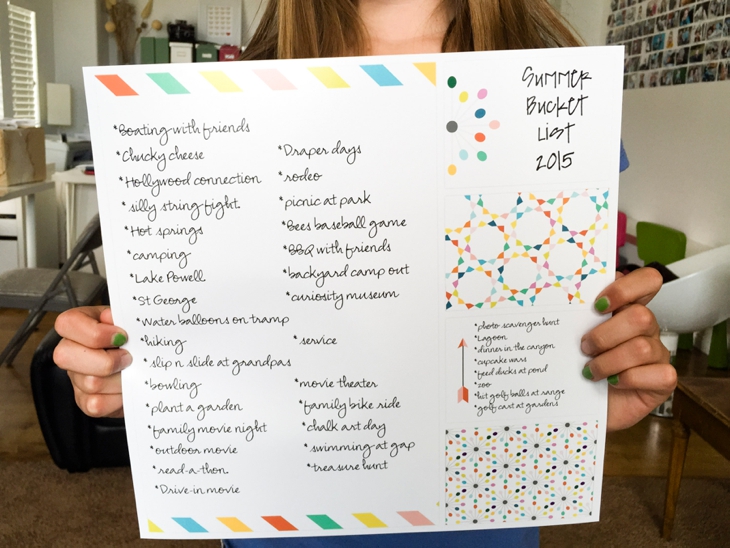
Just wanted to pop in real quick and share a few things about our summers. Each summer we brainstorm together as a family and make a summer bucket list. I’m liberal with what I let the kids put on there (Chucky Cheese–help me), but a bit more conservative about what we actually do. We do our best to finish as many activities as possible. June’s almost over and we never planted a garden. That probably won’t happen this year. Good thing my dad plants about 40 tomato plants (and no, I’m not exaggerating). We’ll just steal some of his produce this year I guess.
This year I used the Project Life App to create our bucket list. I just did it on my phone while the kids were sitting there throwing out ideas. Then at the end of the summer I can just slip the page into our yearly photo album.
Despite my love for freedom in the summer, I still need some sort of schedule and routine to tame the chaos. And summer around here definitely doesn’t mean no chores. There are a few big things I focus on with parenting my kids. One of them is kindness. The other is learning to work hard. Chores are a non-negotiable around here and I don’t feel one bit bad about that. We work hard, but we also play hard.
There aren’t many things that drive me more crazy than having to nag my kids (and kids who whine–gah). After trying allllll sorts of things (mostly systems that required far too much work on my part–magnets, stickers, random rewards, nagging), I finally found a chore system that works really well for us (right now at least) with very little nagging on my part. I first heard about this type of system in this book: The Entitlement Trap: How to Rescue Your Child with a New Family System of Choosing, Earning, and Ownership
We’ve tweaked the system we learned from this book a bit to fit our family but the concept is the same. Our oldest child is currently 10 and our youngest is 3. Our 10 yr old and 8 yr old have the same amount of chores. We’re just starting to work our 5 yr old into the system. I don’t start too young on the kids with chores. If they’re too little it’s painful to try and get them to do stuff (in my opinion). Our 3 yr old is supposed to help clean up the messes he makes, but most of the time that doesn’t happen. As he gets a little older our expectations will get a little higher. And the chores and expectations for all the kids will change as they continue to get older.
The key to getting a chore system to work is figuring out your kids “currency” (beyond just money). Our older girls are highly motivated by getting to play with their friends. So the rule around here is no friends until chores done (they can’t watch TV or play on electronics either, but those aren’t a huge temptation around here for some reason). They know if they want to play, they have to have ALL their chores done for that day. This is one of the very few things I’m consistent about in my parenting (I’m terrible at being consistent, but not with the “no friends before chores” rule).
Each kid has a “zone” they have to keep clean each day which we alternate between the two kids old enough. They also have various other chores that rotate between the kids (well, between just our girls right now since they’re the only ones old enough)
We pay our kids each week for their chores. I know there is some debate with parents about whether kids should get paid for chores at home. We like this system and it works for us but I realize it’s a personal decision for each family. Right now we pay the girls $5 per week. And they put 10% in savings, pay 10% to tithing, and the remainder goes in their spending fund (I’m always curious what other people pay which is why I’m sharing). We just started the 5 year old on chores. He’ll probably get $2 a week. According to this system, the amount kids are paid is dependent on how much you expect them to buy for themselves. The hardest part about this is remembering to get cash to pay them each week. They’re pretty good at reminding me.
This is what one of their chore charts looks like. We can write their various activities on each day from week-to-week. And there are extra slots on each day to fill in random chores that come up when we need them done. Some weeks I need them to help out more than others. Generally they’re pretty good about it. If they stay focused, their chores don’t take more than 20-30 minutes (if you don’t count their 20 minutes of reading which I don’t consider a chore–cause you know, reading makes you smarter).
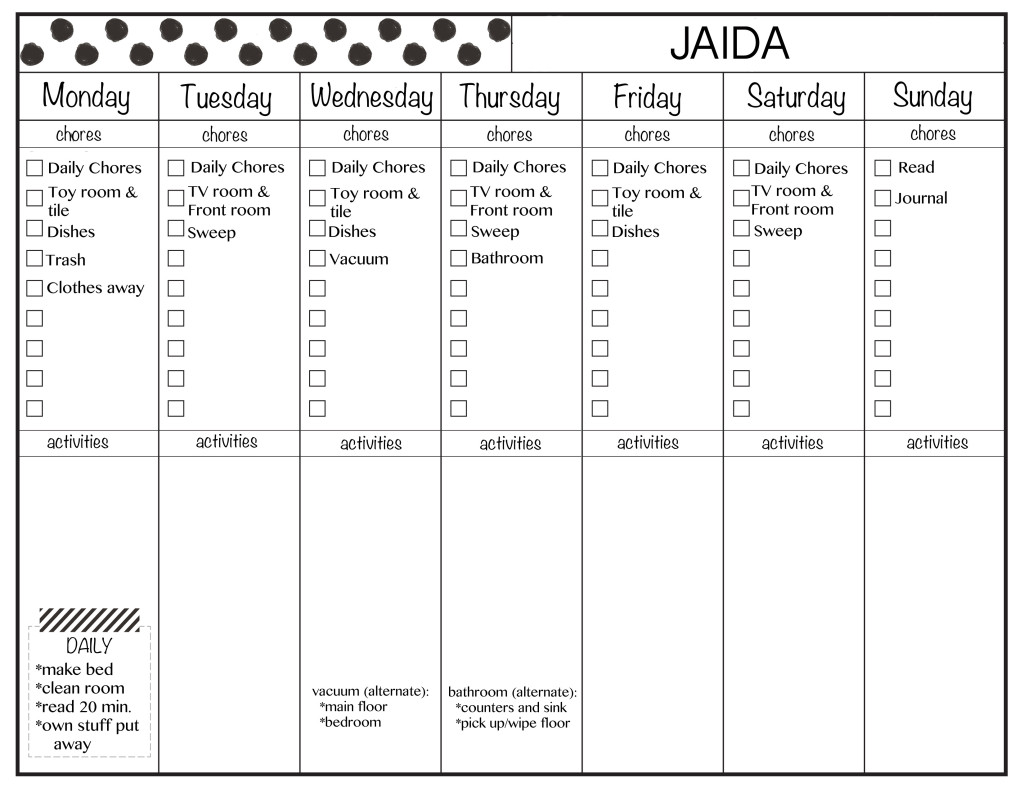
I hang them on the wall so they can check what they need to do each day and mark it off with a dry-erase marker. (You can see how I made that full-wall photo display here).
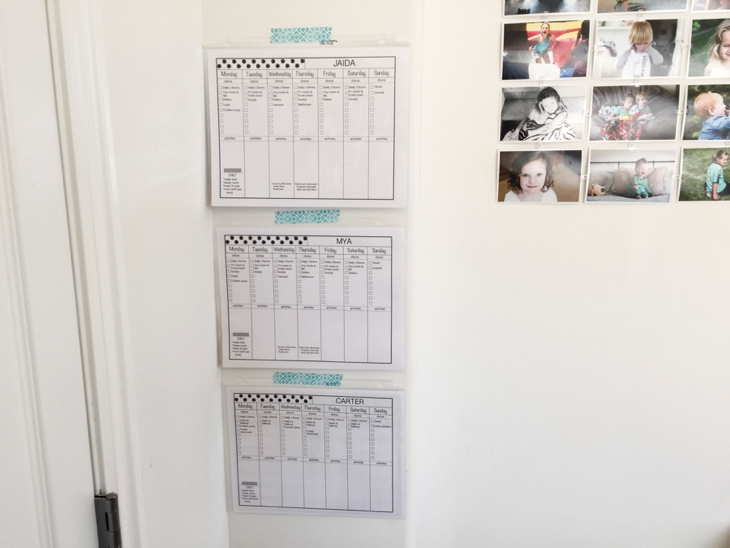
If you want the blank template for this chore chart (I adapted it from one I found on this site), you can download it free in a PDF format by clicking this link: ChoreCharttemplate. I edit mine using Photoshop to add different chores.
All that being said, we definitely don’t have a spotless home (as evidenced by this sign I have hanging by my front door–you’re probably going to want one) and we’re far from perfect. But this system at least helps me keep some of my sanity.
If you have questions, I’d be happy to answer them in the comments or you can e-mail me. If you want more detailed information on how this system works, WHY it works and the theory behind it, as well as the details on payment, etc., definitely pick up the book (link above) to learn how to do it for your family. We’ve been doing this for the past year or so and it really has been working well.
I’m curious, do YOU have a chore system for your kids? What age do you start having them do chores? Do you feel like your system works well? What do you like best about the system you use? Please share in the comments!












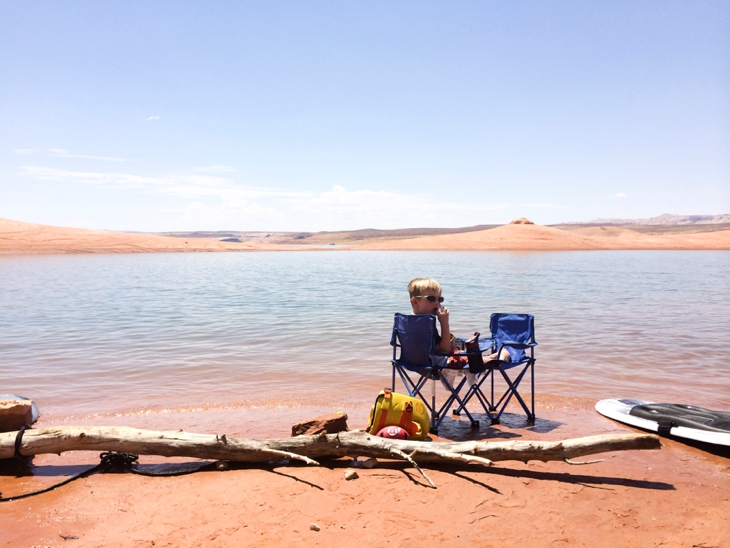
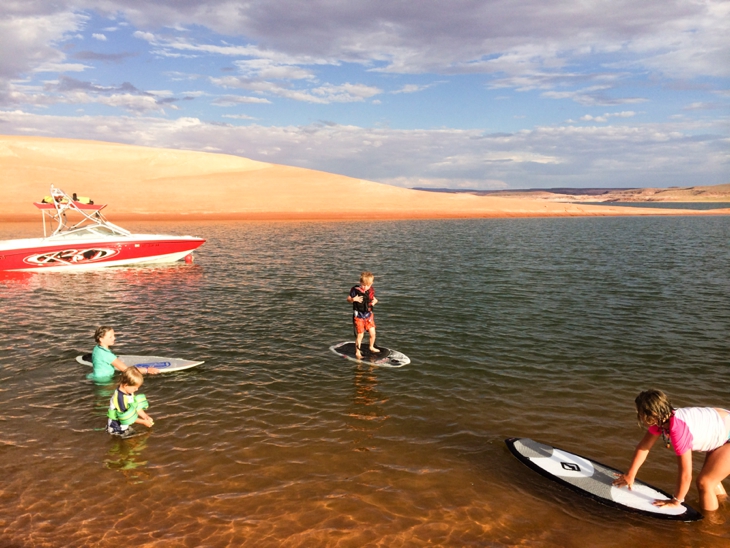

 We bring a LOT of baby wipes, water, and hand soap. And just resolve the kids are going to get really dirty. We always bring more clothes than we ever think we need. And usually with the younger kids, we go through just about everything we bring. Definitely over-pack on clothes. And we make sure we bring lots of layers. It can get pretty warm during the day up in the mountains and really cold at night. So we bring enough clothes we can layer when we need to. Before each meal we wash their hands and face as best we can, then before bed we give them a baby-wipe “bath”.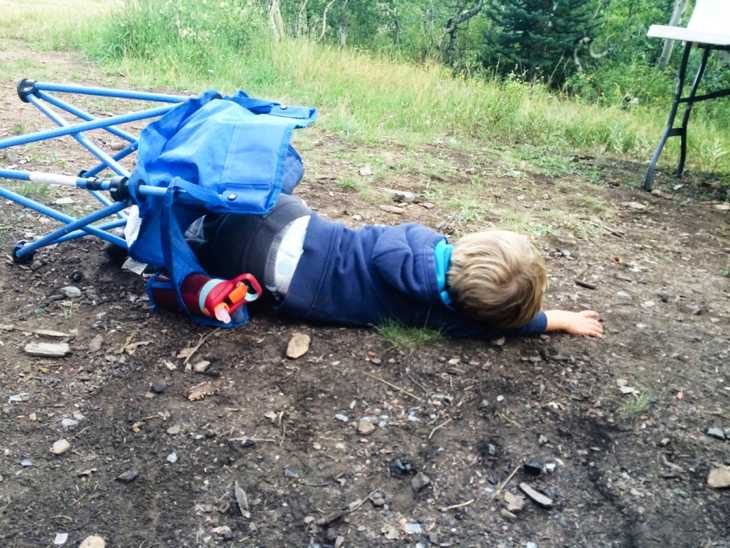
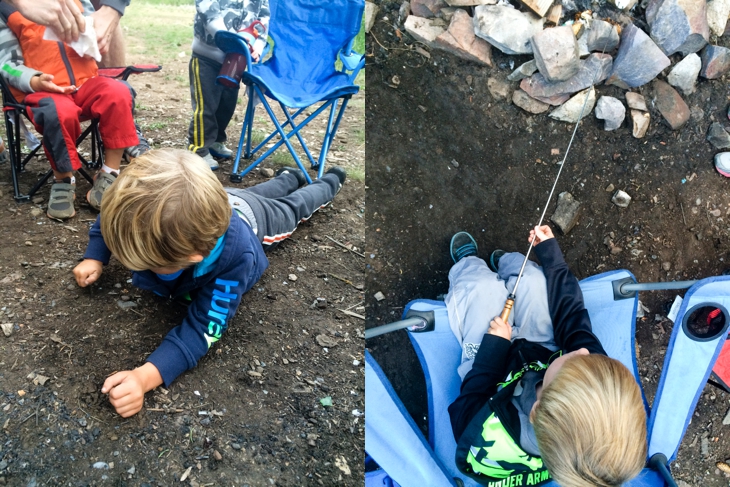 We also usually bring a Frisbee, football or soccer ball, books, a board game or two, crayons and coloring books, squirt guns, toy cars, and glow sticks (my kids will play for hours throwing their glow sticks around after the sun goes down).
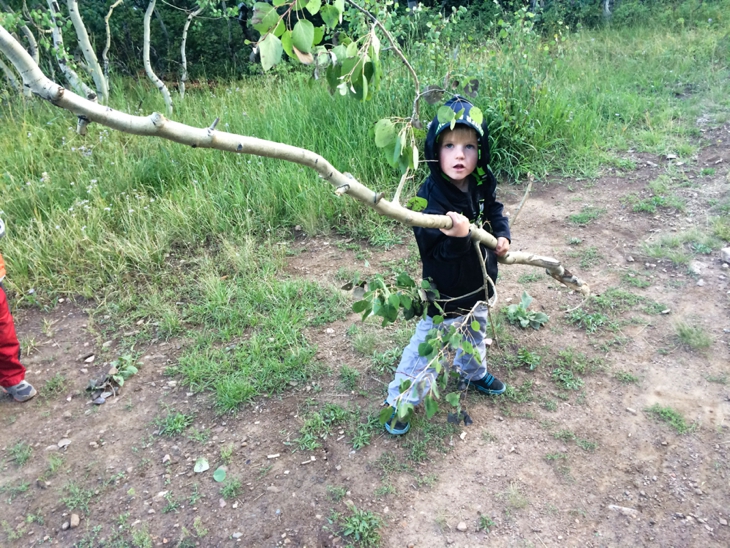
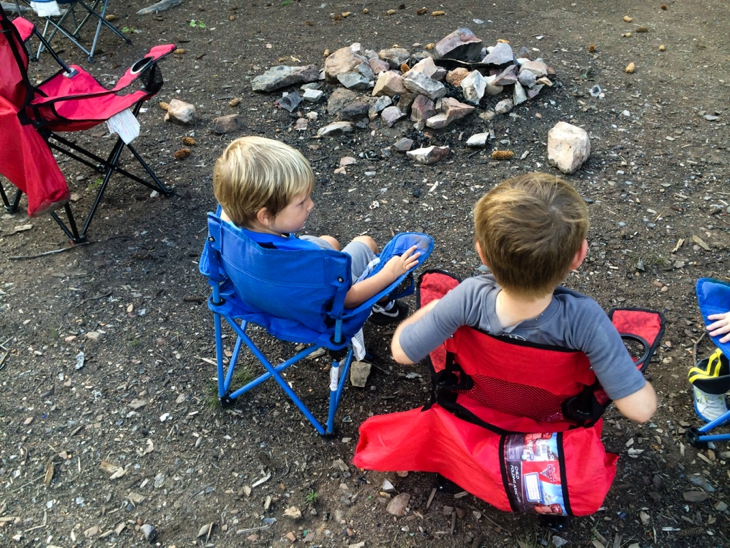
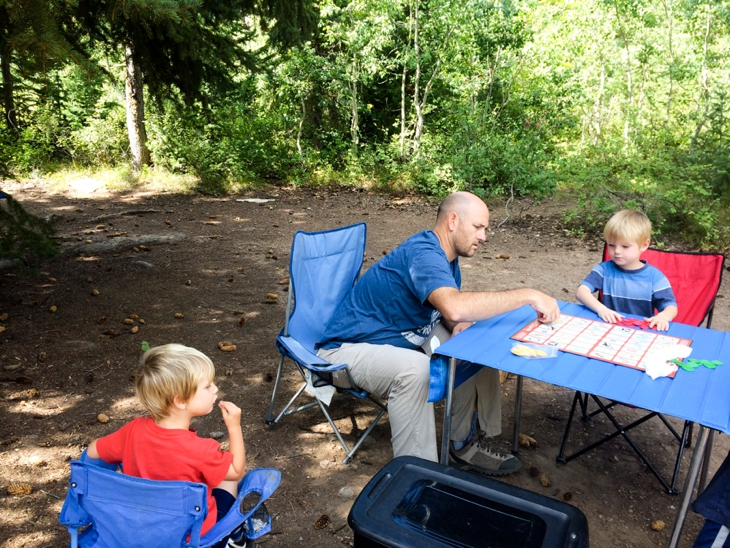 But we also like to go on little walks/hikes and let them explore and play as much as possible. So I don’t often pack a lot of extra things for them to do. Kids get pretty creative in the mountains and can find hours of simple entertainment. Give a boy a little stick (or giant stick), some dirt and some rocks and they’re good for hours. And our girls always dream up some inventive game of house using pine cones as their kids. Kids are so awesome.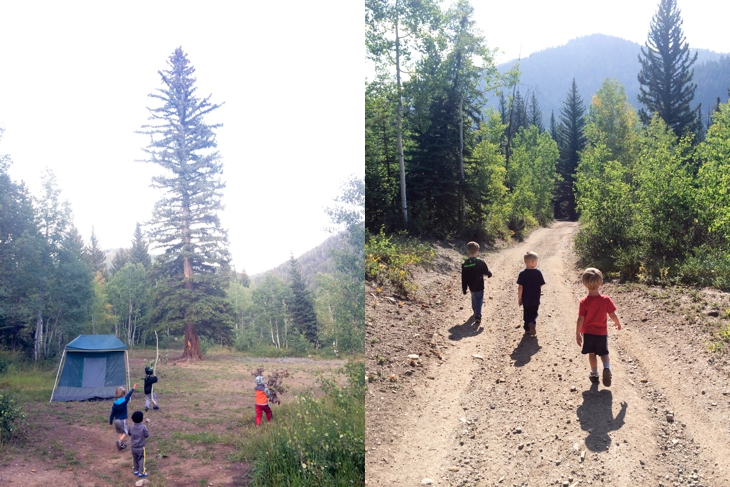
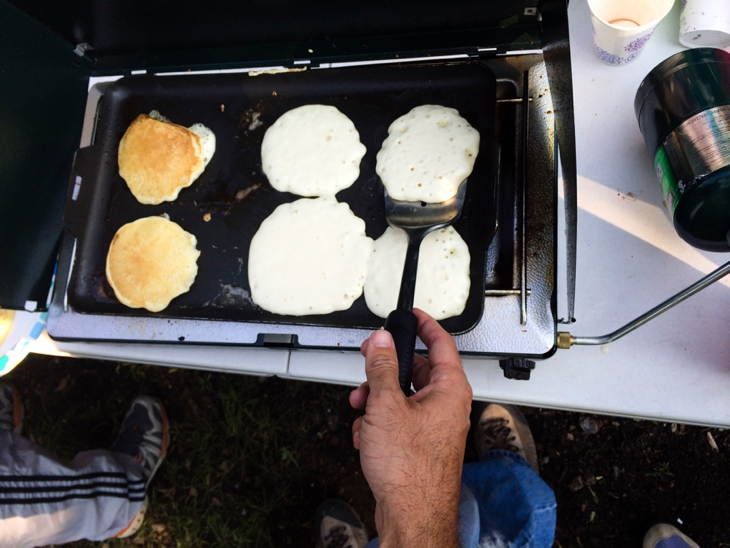
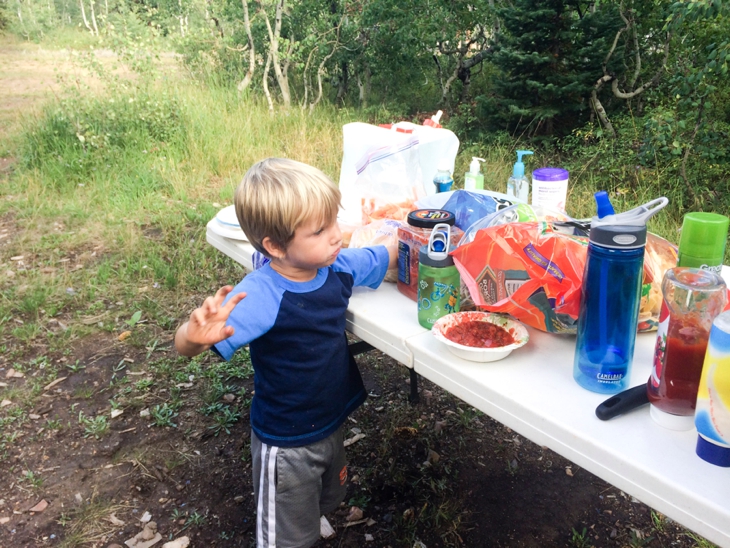
 When choosing food, we keep it AS SIMPLE AS POSSIBLE. Prepping and cooking food in the mountains isn’t exactly easy. And it’s even harder to wash stuff when you don’t have running water. So we keep it simple. We prep as much food as we can ahead of time. If we do tinfoil dinners, I get them cooked at home, then just reheat them on the fire (meat takes a LONG time to cook over a fire). Or if it’s a meal I can fully prep and cook ahead of time, I’ll freeze it and then just thaw it out on the day we’re going to eat it (spaghetti works great for that–you can even cook and freeze the noodles). We also take a small stove with us and cook food on that instead of over the fire.
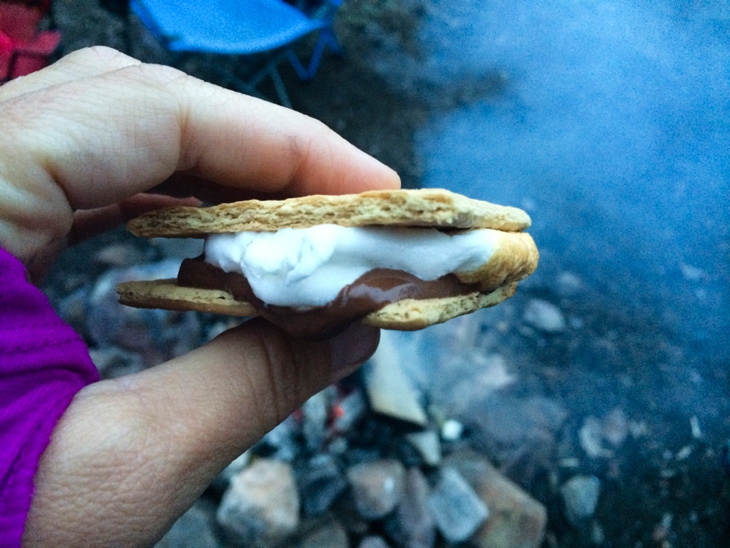
 We generally save the fire for lots and lots and lots of s’mores.
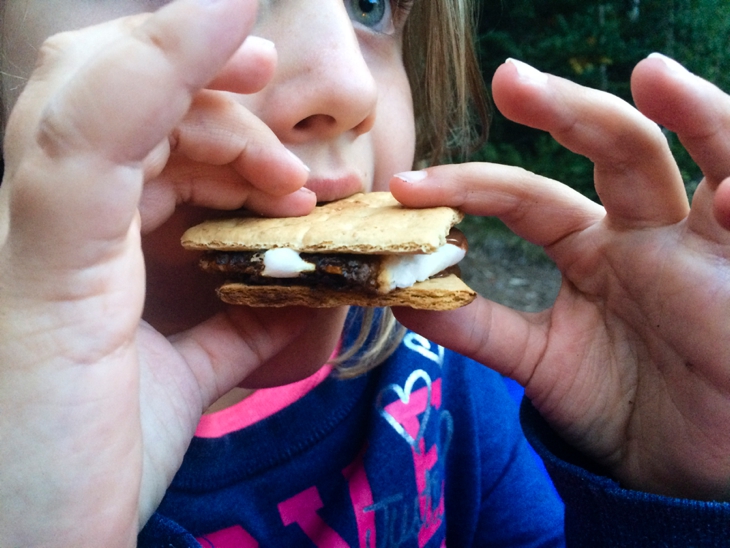 A few s’more hacks. You can get the Kellogg’s fudge strip cookies and just stick a melted marshmallow in between two of those. Or bring rolos and press one of those inside a melted marshmallow. Oreos are great as well. We got the peanut butter oreos and pulled them apart, then stuck the melted marshmallow in there (yum). And for traditional s’mores, find a warm rock close to the fire, put the chocolate on a graham cracker and set it there while roasting your marshmallow so the chocolate melts a little. Gooey goodness. We also love to roast starbursts.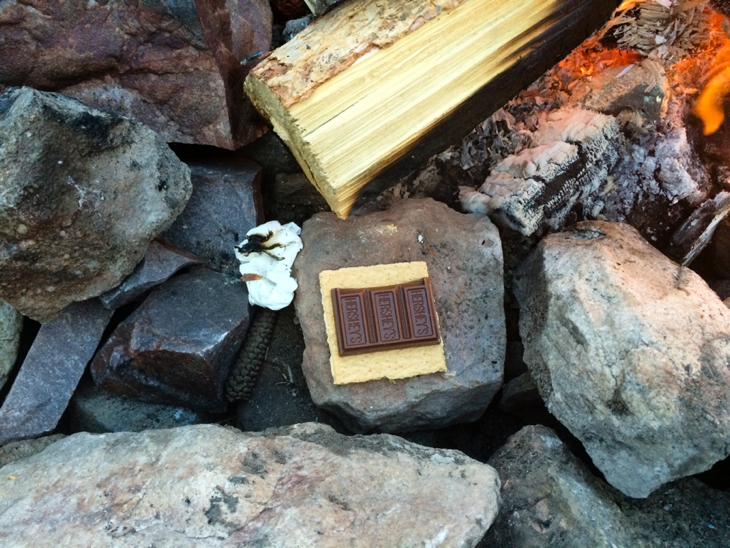
 **Headlamps are really helpful once the sun goes down. Flashlights from
 **If you plan to go camping more than once in a year, assemble a camping bin (just a big tupperware bin) with all the paper goods and general kitchen supplies in one place. This will save you SO much time next time you go camping because it’s already assembled and will help you not forget things.
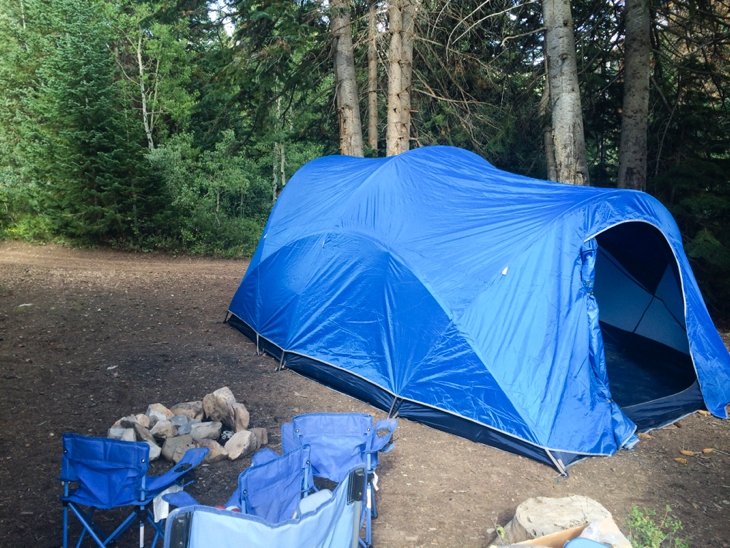
 **My BEST tip: Bring a separate “play” tent for the kids. We don’t let our kids get in our sleeping tent unless they need to change or it’s time for bed. Otherwise everything gets dirty and chaotic. We set up a smaller extra tent they can play in. Last time we took our 2 year old camping, we got the tent all set up, the air mattress’s and cots put in place, and sleeping bags laid out in their places. I took my eyes off him for 2 minutes and the next thing I knew he was throwing handfuls of dirt alllll over the inside of the tent. It was not awesome. Once the sleeping tent gets set up, we zipper it shut and the kids play in the play tent during the day.